

Parsnip
A root vegetable that is in the carrot family, parsnips are an often-overlooked vegetable. They are quite versatile and can be mashed, roasted, cooked in soups or stews, and even enjoyed raw.
|
Harris Model |
|
Pastinaca sativa |
|
Intermediate to Difficult |
|
Intermediate to Difficult |
|
1-3 years (rapid loss of vigor after 1 year. Overseed to hedge low germination rates.) |
|
Biennial |
|
21-28 days |
|
50-75 F |
|
Optional to None |
|
1/4 – 1/2 ” |
|
12-15” |
|
Full Sun |
|
Yes |
|
95 days |
|
A special email will be sent to Seed Library Members |
|
Yes |
Growing Tips


When to Start
Spring: Northern Gardeners should sow seeds 2-4 weeks before the last spring frost for a fall harvest.
Fall: Southern Gardeners should sow in the fall for a spring harvest, once soil temperatures are consistently between 55°F and 65°F. (Historically, that is Oct 15-31 for Jefferson, GA)
How to Grow
Parsnips are a long-season crop that tastes best after experiencing a frost, and don’t do well in heat. Northern gardeners should plant in the spring for a fall harvest, and Southern gardeners should plant in the fall for a spring harvest.
Choose a bed that gets full sun. Preparing the soil is important when growing parsnips. These root vegetables like fertile, loose, and well-draining soil. For heavier soils, such as clay, double dig to a depth of 12 inches. Remove stones and dirt clods. If needed, add organic matter to help root development, or consider raised beds as an alternative.
Space rows 15-18 inches apart.
Parsnips are always grown from seed, and they can be difficult to start. They are slow to sprout, taking anywhere from 2-4 weeks. They also need to be kept moist throughout the germination process, and they are a bit picky about soil temperature.
But none of these things are insurmountable. For the best germination results, do these things.
- Use the freshest seed and over-seed, as germination can be sparse. This is even more helpful with seeds that are more than 1 year old. Older seeds lose viability and vigor. If you are using up older seeds, over-sow heavily to hedge against low germination. Chitting can also help. Then thin to 4-6 inches by snipping instead of pulling to protect other plants.
- Be mindful of the soil temperature. While you can sow as soon as soil temps are consistently 40°F, seeds germinate best when the soil is between 55°F and 65°F. Soil temps by zipcode.
- Keep the soil moist. If the seeds dry out, they may not sprout. Sow to a depth of 1/4 to 1/2 inch. It is recommended to surface sow and then cover the seeds with a 1/4 to 1/2 inch of compost or fine sand. This should also help with preventing crusting.
- Prevent soil crusting, as this can inhibit sprouting. “Soil crusting most often occurs when rain separates the soil into very small aggregates and individual particles that cement into hard layers at the soil surface when drying occurs rapidly.” This crusting may make it impossible for the parsnip sprouts to break through. Two main things will help with preventing soil crusting. First, keep the soil consistently moist. Second, many parsnip growers also plant radishes right up against the parsnip seeds. This also doubles as a row marker. Radishes germinate much quicker than parsnips and are usually ready for harvest by the time the parsnips have germinated.
Chitting Parsnip Seeds to Improve Germination
There is a technique called chitting or pre-sprouting seeds. This doesn’t speed up germination, but allows you to know which seeds have germinated, so you only plant sprouted seeds.
You need just a few things to do this. You want a container with a lid, then line it with a damp paper towel. Place the seeds on the paper towel and then cover them with another damp paper towel. Place the lid on the container and place it in a dark, warm place (room temperature is fine). After about 5 days, start checking them daily. As soon as you see little roots, immediately plant them. Don’t wait; if the roots get too long, they can snap and break when planted (which can kill it).
Sow the germinated seeds exactly like you would if you didn’t pre-sprout the seeds, just space 4-6 inches apart.
The huge benefit to chitting is knowing exactly how many seeds will sprout, so there aren’t any gaps in the rows. Usually, by the time you know some seeds didn’t germinate, it’s too late to re-sow.
Care
It is very important to protect your skin when dealing with parsnips.
The combination of a sunny day and parsnip sap can cause blisters. The sap contains a chemical that, when combined with UV light, creates chemical burns. Wearing gloves, long sleeves, and pants is highly encouraged.
“Both the wild and cultivated forms of parsnip contain toxic compounds, called furanocoumarins. These compounds can cause serious rashes, burns, or blisters to skin exposed to the sap and then sunlight. The plant poses a risk to agricultural workers, those involved with vegetation control, and to people unknowingly exposed to the plant in the wild. The roots of wild parsnip (non-cultivated form) may also contain furanocoumarins. Therefore, it is recommended that the root of [the wild] plant not be consumed.”
Parsnips like a lot of space between plants. Thin by cutting instead of pulling to 4-6 inches between plants.
They don’t thrive in hot weather, which, as a long-season crop, can present a challenge if planted at the incorrect time for your area.
They also don’t do well when competing with weeds. To keep the tops of the roots from greening, mound up the soil around them. Then keep them mulched to suppress weeds. If weeding is needed, hand weeding protects the roots better than using tools.
Mulching will help the soil retain moisture and keep weeds down. Weeds can be a particular problem with spring plantings since parsnips take so long to mature. When planting in the fall, heavily mulch to protect the plants from freezing temperatures and to make it easier to harvest.
Bottom water with drip irrigation or soaker hoses. Bottom watering will help keep the foliage dry, helping to prevent fungal leaf spot. Give the parsnips 1-2 inches of water a week. Too much water can result in hairy roots and forking. Even watering will help prevent root disorders, bitterness, and allow leaves to develop properly. Once established, parsnips are more tolerant of dry spells. However, don’t let the soil dry out, as this can cause splitting of the roots.
Parsnips will require some fertilizer throughout the growing season. A soil test will help you determine what kind of fertilizer you will need.
Harvest
Parsnips will taste best after a hard frost. The frost will allow the roots to convert the starches to sugars, making them sweeter. It is best to wait until after a freeze or two before harvesting. Leaving them in the ground and harvesting as needed is another way to increase the flavor. Just pull them before temperatures get too warm, as they will bolt.
To prevent root damage, loosen the soil around the roots with a garden fork. Then lift them out. The roots should be one inch in diameter. Remove the leaves. Use immediately or store, unwashed, in a cool place. In a root cellar, they can last around 3-4 months.
You can also place them in the refrigerator. Just don’t wash them until you are ready to use them, and keep them away from ethylene-producing fruits. This gas will cause the parsnips to become bitter. These are things like apples, bananas, and avocados.
Harvest as needed during the winter, as the roots tend to shrivel when stored. Frozen ground can make harvest difficult. Heavy mulching can help keep the soil warmer for longer, making harvest easier. Once the ground freezes, harvesting becomes more challenging.
Should the ground freeze, they can be left in the ground until the following spring, just harvest before they flower, as flowering will change the taste and not in a good way.
Pest Management
To reduce the risk of diseases, rotate where the plants are grown every year. This rotation will also help reduce pest problems. Bottom watering will also help prevent fungal diseases.
The carrot rust fly can also be a problem. Row covers can be helpful to keep the flies out. Also, be sure to pull all the roots to limit larvae from overwintering.
How to use
They can be used fresh, roasted, and in soups and stews.
Seed Saving


Isolation Distance
Parsnips are biennial and won’t flower until after they have experienced a winter. They are insect-pollinated. Separate different varieties by 1/4 mile for home growers. One mile is better to ensure seed purity.
Instructions
Let the plants flower in the second year. Then let the seeds dry on the plant. Hand-pick the seeds and separate the chaff. Then store in a cool, dry place.
Seeds have a very short life. Viability drops considerably after one year.
Features
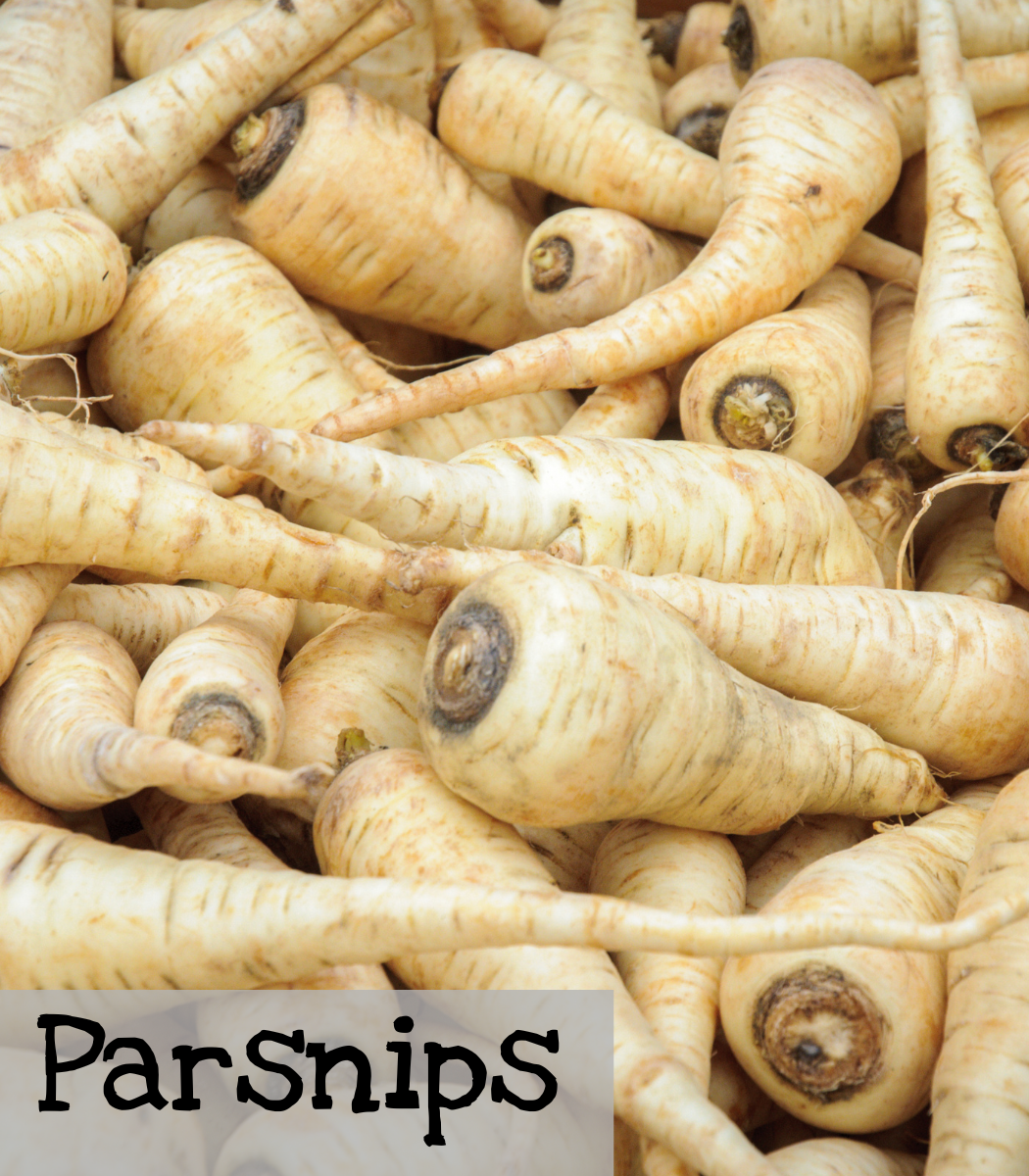
- Harris Model: Heirloom. This variety is a good producer of sweet and flavorful roots. The roots are tender, white, and around a foot long. It is good boiled, fried, and even in bread.

Plant at the right time of year for your area.
Protect skin by covering it with gloves, long sleeves, and pants. Parsnip sap and a sunny day can result in chemical burns.