

Golden Alexander (Zizia aurea)
Golden Alexander is a host plant for the black and Ozark swallowtail butterflies. Native to much of the United States, it is a beautiful addition to any pollinator garden.
|
Zizia aurea |
|
Intermediate from seed, then Easy |
|
Easy |
|
1-3 years (Best Guess) |
|
Short-Lived Perennial (zones 3-8) |
|
After cold stratification, 1-3 weeks |
|
65-75 F |
|
2-3 Months of cold stratification |
|
Surface Sow |
|
Seeds need light to germinate. Full sun but tolerates partial shade. |
|
Spring |
|
January Special Seed Library Event |
|
Yes |
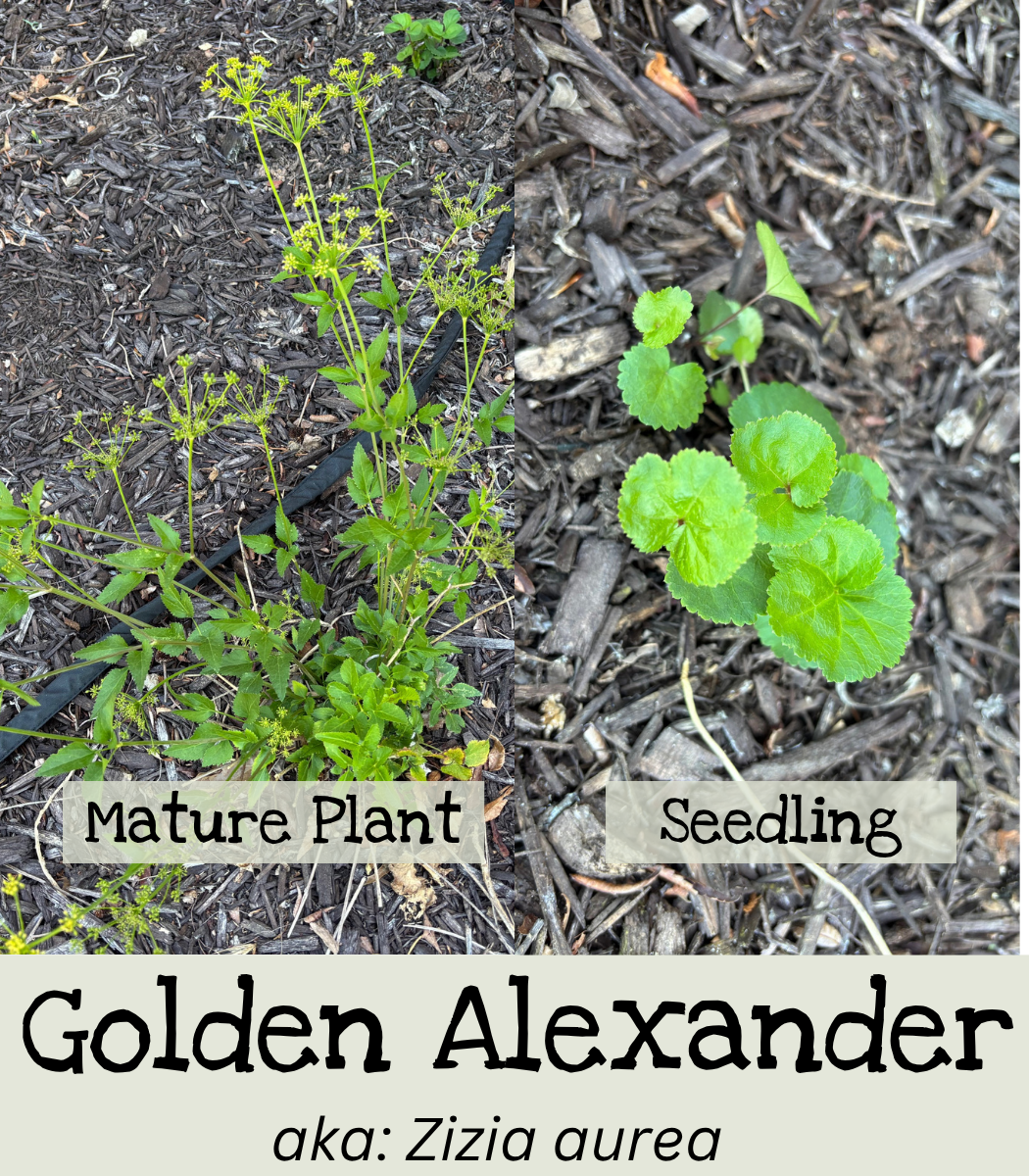
Table of Contents
Growing Tips



Zinia aurea is native to much of the Plains, the South, and the East Coast
When to Start
Winter: Seeds need 2-3 months of cold stratification to break dormancy. (January for Jefferson, GA) Then, after cold stratification, place them under grow lights. (End of March, beginning of April for Jefferson, GA.)
Transplant: After the danger of frost has passed. (May 1 for Jefferson, GA.)
Fall: Seeds can be directly sown in late fall. (November for Jefferson, GA)
How to Grow
For the Zizia aurea seeds to germinate, they need to go through cold stratification. While 60 days is often sufficient, 90 days provides optimal germination. Start cold stratification 3-4 months before the last average frost date.
To cold stratify, fill nursery cells or pots with premoistened seed starting mix. Surface sow the seeds, as they will need light to germinate. Place the cells or pots in a sealable plastic bag. I like to place the bag in a cardboard box for support. Then place them in the refrigerator. Check on them periodically to make sure no mold is growing.
After cold stratification, remove the cells from the refrigerator and place under grow lights. Germination should take place in 1 to 3 weeks.
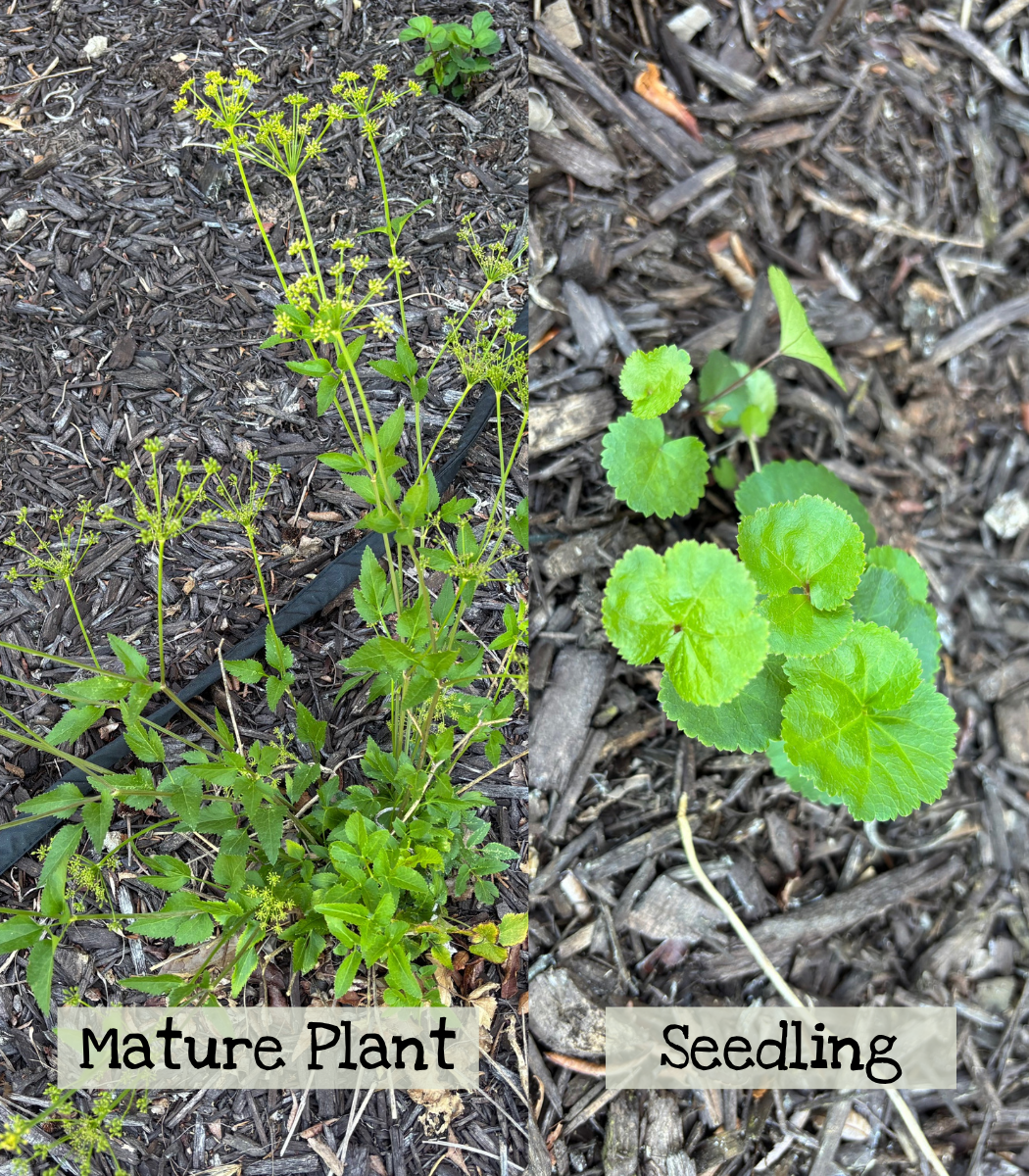
You can also direct sow in late fall. Just scatter the seeds on top of the soil. They should germinate the following spring. It would be a good idea to mark the area, as the seedlings look nothing like the mature plant and can be mistaken for weeds.
Care
During the first year, the plant puts its energy into root development and may not flower until the second year. Choose a full sun bed with rich, well-draining soil. Zizia aurea will tolerate part shade, but it does best in full sun conditions. Space plants 1-2 feet apart.
Preferring consistent moisture, Golden Alexander often grows in boggy sites in the wild. But it also tolerates dry conditions and even clay soil surprisingly well. In drought or dry spells, it will do better with consistent watering.
Golden Alexander does not require much pruning. After the plant has flowered, trim the stems at the base of the clump. I do this when collecting the seeds.
More often than not, it will bloom in early spring. Occasionally, it will have a second bloom in late summer. However, with deadheading, the flowers should bloom from spring to summer.
Pest Management
Golden Alexander is a host plant for the black and Ozark swallowtail butterflies. If growing to support the life cycle of these butterflies, plant a minimum of 6 to 10 plants. Otherwise, they are relatively pest-free.
My personal experience
Zizia aurea is one of the plants grown in the Jefferon Public Library’s butterfly garden. I started with one plant that was given to me and have saved seeds from it to create a small patch for the black swallowtail butterfies.
One thing to be aware of is that the seedlings look nothing like the mature plant. The first time I grew these from seeds I saved, I thought I had saved the seeds incorrectly, but I hadn’t.
There’s only been one odd thing that has happened in all the years of starting them from seed. One year, the seeds germinated in the refergerator before the 3 month cold stratification was over. Which they are not supposed to germinate unless exposed to light! Thank goodness I was checking on them. The sad looking, blanched seedlings took a while to bounce back after being in the dark. But after a week, or so, under the growlights they were healthy and green seedlings!
Seed Saving

Isolation Distance
Golden Alexander can be propagated by division or through seed saving.
Dividing Instructions
1. In early spring, dig up the plant. Divide the plant into several sections, with each section containing healthy roots and stems.
2. Replant the divisions at the same depth as the original plant.
3. Water in and then water regularly until the plant is established.
Seed Saving Instructions
While Golden Alexander is a member of the carrot family, it doesn’t cross-pollinate with Queen Anne’s lace or carrots. Once the seed heads form, it’s a good idea to bag them, as the seeds will drop once ripe or be eaten by birds. Use a large fine mesh bag with a drawstring.
When the seeds (umbels) turn a dark brown, they are ready for harvest. Cut the stems from the plant and remove the fine mesh bag. Using your fingers, gently remove the seeds from the stems. Store the seeds in a labeled paper bag.
Features
- Attracts birds
- Attracts pollinators
- Golden Alexander, Zizia aurea: Yellow flowers typically appear in the second year and will bloom in the spring. Native to much of the Plains, the South, and the East Coast of the U.S. Perfect for pollinator gardens, as it is a host plant for the black and Ozark swallowtail butterflies. 2-3 feet tall.

When cold-stratifying in the refrigerator, check on them regularly. Open the bag every so often to let fresh air in and make sure no mold is growing.
The seedlings look nothing like the mature plant. If direct sowing, mark the area as they are often mistaken for weeds.
You May Also Like:
Companion Planting: How to use flowers to help control pests.
Trap cropping: How to keep pests out of your main crop.