

Yarrow
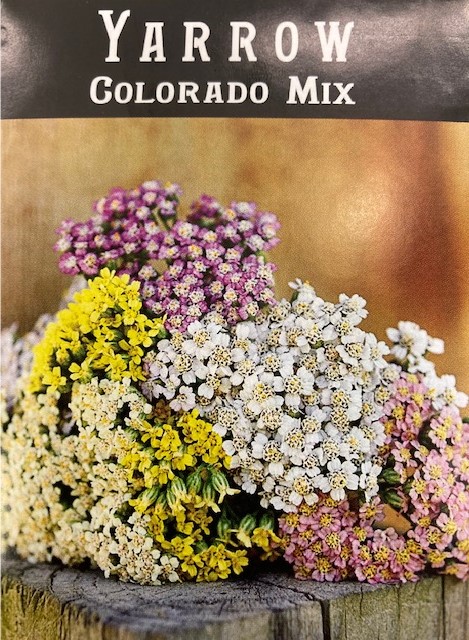
Yarrow is a beneficial flower that comes in a wide range of colors. From white and yellow to creams and pinks this perennial attracts both pollinators and predators that will eat a wide range of pests in the garden!
|
Colorado Mix |
|
Achillea millefolium |
|
Easy |
|
N/A |
|
3-5 years if properly stored |
|
Perennial |
|
14-21 days |
|
None |
|
Surface Sow |
|
Yes Zones 4-8 |
|
28-30” |
|
Seeds need light for germination Full sun |
|
Summer through fall |
|
February, March, August, September |
|
No |
Growing Tips


When to Start
Spring: Start indoors 6-12 weeks before the last frost. (February – March for GA)
Direct Sow: After all danger of frost has passed. (May 1 for Jefferson, GA)
Fall: Direct sow 12 weeks before the ground freezes in fall. (End of August – Beginning of September for GA)
How to Grow
Start indoors 6-12 weeks before the last frost. As the seeds need light to germinate, gently press the seeds into the seed starter mix. Then place them under grow lights. After hardening off and after all danger of frost has passed, transplant them into a full-sun bed.
You can also direct-sow after all danger of frost has passed in the spring or 12 weeks before the ground freezes in the fall.
Care
Yarrow prefers full sun but will tolerate part shade. Plant in a well-draining bed and thin or space the plants 12-24 inches apart. Divide every 3-4 years in the spring to maintain vigor and a healthy plant. Yarrow is sensitive to overwatering, which will encourage root rot.
Yarrow is frost-hardy in zones 4-8. For Jefferson, this is right on the border, and winter care will be needed. Mulch in the fall and cover if temperatures get too cold. It might need to be treated as an annual.
Uses
Yarrow is an excellent companion plant that attracts both pollinators and predators that will eat aphids, tomato hornworms, squash vine borers, and cutworms, just to name a few!
For flower arranging, cut the flowers when they are 2/3 open. Yarrow will also dry well and is good for dried arrangements.
Yarrow has been used as a medical herb. However, there hasn’t been a lot of scientific research done into the medical uses of yarrow. According to my research, there are alkaloids that are fine in small amounts but harmful in large amounts. If used as a culinary or medical herb, please consult a medical doctor, use it carefully and responsibly, and do your research to use it safely.
Seed Saving
Instructions
Yarrow is typically propagated by dividing the plant. While you can let the plant go to seed, the seeds will eventually revert to their natural white-gray flowers.
In early spring or in the fall, prepare the plant by watering the day before. This will help the plant stay hydrated and make it easier to dig. Then use a shovel or spade and push into the ground several inches away from the plant, making a complete circle.
Using the tool or your hands, gently lift the plant from the ground. You may need to use a hand pruner to clip any roots that are still in the ground. Next, use the shovel or hand spade to cut through the clump, dividing it into 2 or more sections. Treat each section like a new seedling and transplant.
Features
- Companion plant
- Container friendly
- Attracts pollinators
- Good cut flowers
- Good dried flowers
- Drought tolerant
- Poor-soil tolerant
- Deer and Rabit resistant
- Colorado Mix: Heirloom. Mix of blood red, cerise, cream, yellow, and white. Colorado mix has the good traits of yarrow but in an irresistible blend of colors. Will bloom until frost.
You May Also Like:
Companion Plant Caraway
Companion Plant Nasturtium
Companion Planting: How to use flowers to help control pests.
Trap cropping: How to keep pests out of your main crop.