
Lavender
Known most for its calming scent, Lavender is used in perfumes, soaps, and oils. Lavender is also culinary. When using the right varieties, it can add a pleasant flavor to frosting, teas, and cakes.
|
English; Lady |
|
Lavandula angustifolia Other varieties may have a different scientific name |
|
Difficult–in GA |
|
Easy |
|
4 years if properly stored |
|
Perennial (Origano is usually treated as an annual) |
|
2-3 weeks |
|
Cold Stratify for 4-5 weeks |
|
Surface Sow |
|
2-4′ |
|
Seeds need light to germinate Full sun |
|
June-August |
|
February |
|
Out of Stock: English Yes, for the rest |
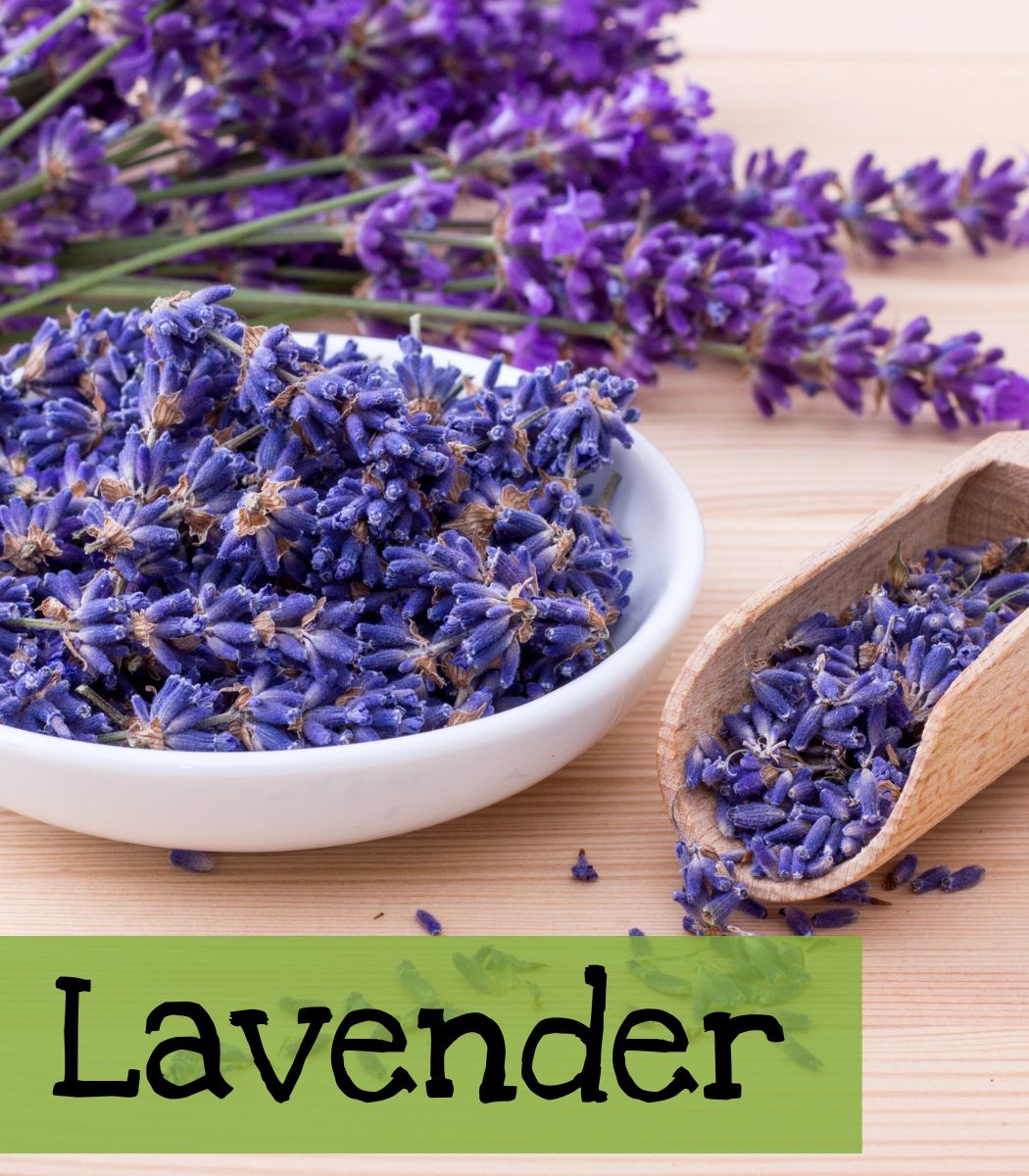
Table of Contents
Growing Tips
 for GA

1 plant per 12” container
When to Start
Spring: Start seed prep 3 months before the last spring frost. (Feb 1-20for Jefferson, GA)
Transplant: After the danger of frost has passed (May 1 for Jefferson, GA)
Fall: Direct-sow 8-10 weeks before your first average frost date. (Beginning of September for Jefferson, GA)
How to Start
Lavender is difficult to grow in GA due to its dislike of humidity. It is also difficult to start from seed as it requires some preparation and it is slow to germinate.
Seed preparation: Start 3 months before the last spring frost. Surface-sow, as the seeds need light to germinate, into cells filled with seed starting mix. Place the cells in a plastic bag. It might be good to place the cells on a piece of cardboard to help stabilize the cells so they won’t tip over. Keep the seeds moist but not soggy during cold stratification. Place the bag in the refrigerator for 4-5 weeks.
After the 4-5 weeks in the refrigerator, take the seeds out and place them under grow lights. At this point, it’s still too early to direct-sow outside.
Lavender likes to germinate at soil temperatures from 75-80 F during the day. A heat mat may be needed to maintain these temperatures.
To direct-sow in the fall, prepare the bed by removing any debris and weeds. Loosen the soil and scatter the seeds on top. You can cover them with a fine layer of soil to keep the wind from blowing them away. When sowing in the fall, the seeds will go through a natural cold stratification and should germinate in the Spring.
Care
Transplant into well-draining soil and a full sun bed or pot. Space plants 12-18 inches apart. Lavender dislikes humidity and overly wet conditions. Let it dry out a little between watering.
Pruning should be done before the growing season, which is late winter to early spring.
How to use
There is no real difference between ornamental and culinary lavender. However, some lavenders are better for cooking than others. Lavandula angustifolia is the best for culinary uses. “You want to avoid most other lavender species due to their camphor content. This includes Lavandula Stoechas and Lavandula Latifolia, and Lavandula X Intermedia. Other lavenders won’t hurt you, but they will make your food taste soapy or perfumy.”
All lavender can be used in potpourri and soaps.
Lavender tea: Add 2 tablespoons of fresh flowers or 1 tablespoon of dried flowers to 2 cups of boiling water. Let it steep for 5 minutes. Strain and enjoy!
My personal experience
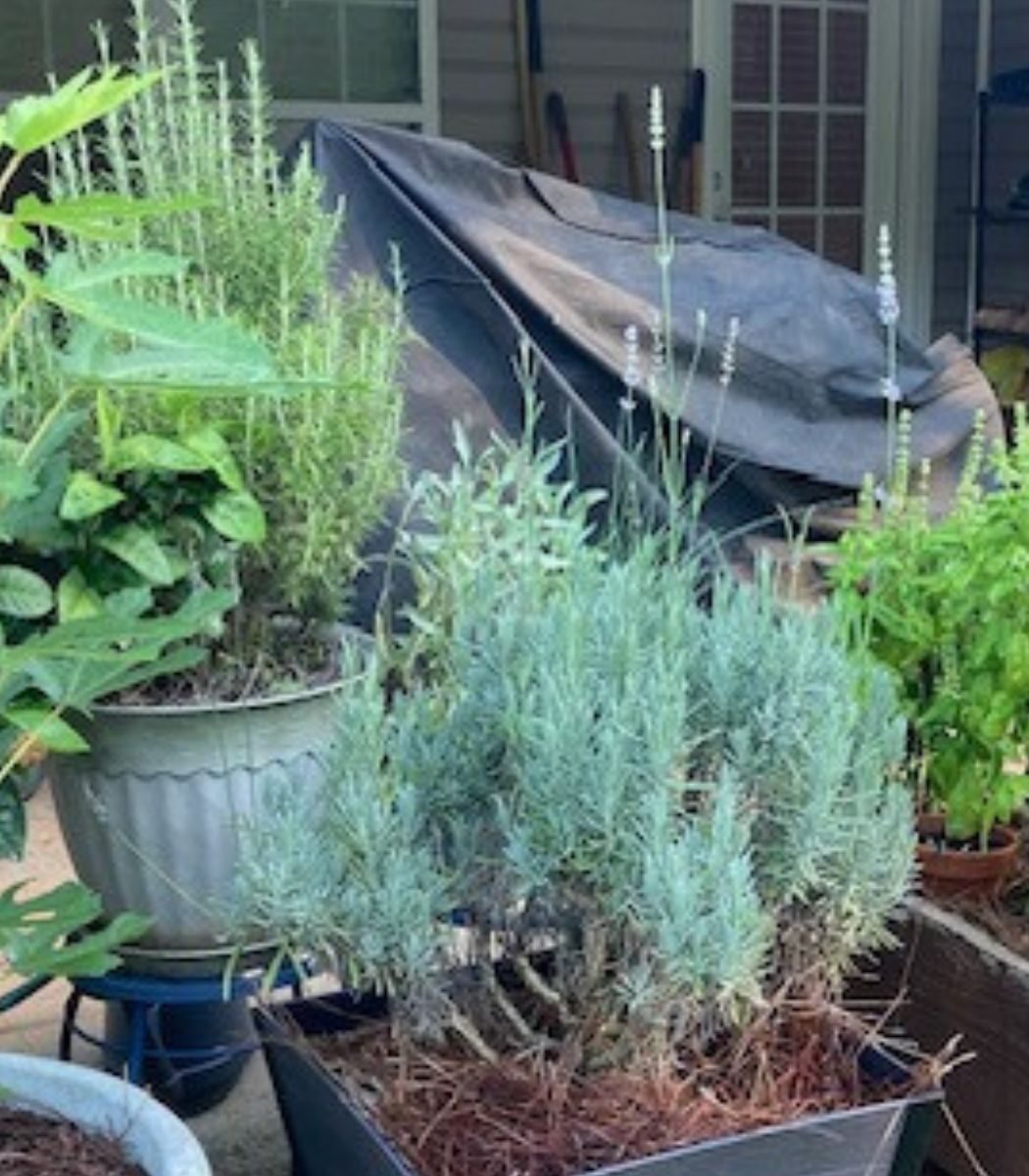
Lavender is can be difficult to grow in GA due to it’s dislike of humidity. I was told when I got this variety, Providence, that it tolerated humidity well. And it does. It’s now something like 7 years old (in 2023). I can’t remember exactly what year I got it. I had to repot for the first time this year into a larger pot.
As I grow mine in a container, I water almost every day. I prune mine in late winter/early spring, right before the growing season starts.
This is it’s second bloom of the year. The first bloom, which was much fuller, attracted all kinds of pollinators. It wasn’t uncommon for me to find a bumble bee sleeping in my lavender in the mornings.
UPDATE: As my lavender is a hybrid, the only way to propagate this variety is with cuttings. I got some root hormone that is specific to lavender and had great success with cuttings. The one in the picture didn’t survive much longer. But I got some cuttings and it lives on through them!
Seed Saving

Isolation Distance
Lavender is usually propagated by division or cuttings, but it can also be grown from saved seed.
It is insect-dependent for pollination. Isolate by ½ mile.
Instructions
Choose strong, healthy plants. Allow the lavender blossoms to remain on the plant until they begin to turn brown & the seed head develops. Don’t wait until the bloom is completely dry and brown, as the seed head may burst & scatter the seeds. You can use a fine mesh bag with a drawstring to cover the blooms to help prevent the seeds from spilling.
Cut the seed head and stems from the plant & gather them into small bundles. Then tie the stems with string. Place the bundle of lavender in a paper sack. Tie the opening of the sack around the stems, so the lavender hangs upside down in the sack. Poke a few small holes in the sides of the paper sack to provide air circulation. Don’t poke holes in the bottom of the sack, as seeds will fall out. Instead of a paper sack, you can use a fine-mesh bag instead.
Hang the sack in a dark, well-ventilatedroom. Leave the lavender in the sack until the seeds drop from the seed heads into the bottom of the bag. Discard the stems and other plant debris. Place the dry lavender seeds in paper seed bags. Store the seeds in a dark, cool, well-ventilated area.
Features
- English: Culinary. Dried flowers and leaves repel moths and can be used in sachets.
- Lady: It has a compact habit, outstanding flowers, and fragrance. This drought-tolerant plant thrives in full sun and is also excellent for edging, low hedges, and containers.

Pruning should be done before the growing season, which is early Spring.
Sources:
edenbrothers.com
The New York Botanical Garden, Herbal Handbook, Clarkson Potter.
Helmer, Jodi. Growing Your Own Tea Garden: the Guide to Growing and Harvesting Flavorful Teas in Your Backyard. Fox Chapel Publishers International Ltd., 2019.