

Amaranthus
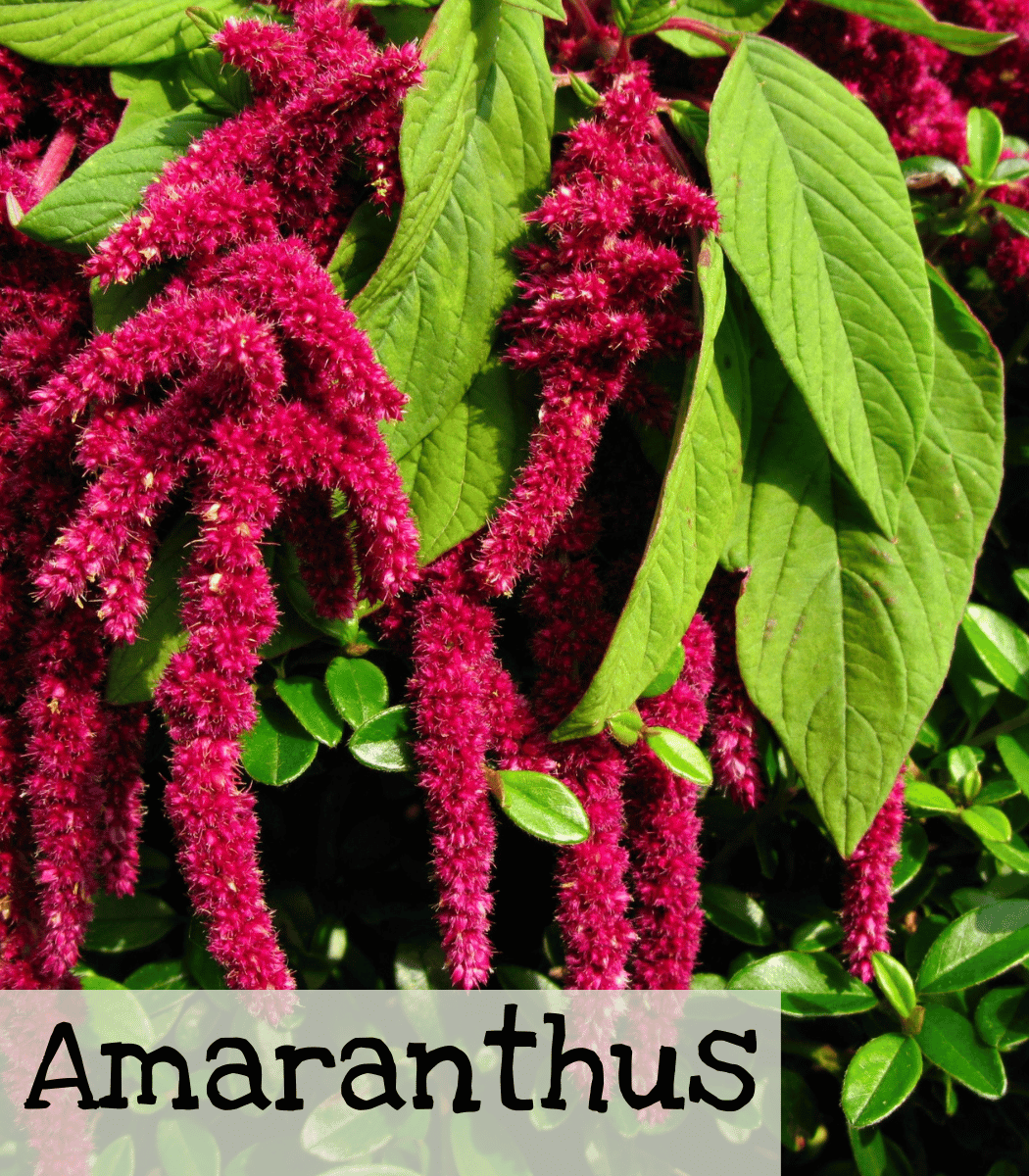
An edible grain, amaranthus is a showy addition to gardens. This protein-rich grain is also loved by birds!
|
Dreadlocks; Golden Giant; Pink Beauty |
|
Amaranthus cruentus |
|
Easy |
|
Intermediate |
|
4-5 years if properly stored. |
|
Annual |
|
3-4 days IF soil temps are between 65-90 F |
|
None |
|
1/8 inch |
|
|
|
Full Sun |
|
Summer (80-85 days) |
|
February, March, April, May |
|
No |
Growing Tips

When to Start:
Spring: Amaranthus can be started either indoors or outdoors. Some experts recommend starting it indoors 6-8 weeks before your last frost date and transplanting it after the danger of frost has passed.
Direct-Sow: Wait until soil temps are warm and all danger of frost has passed.
How to Grow:
Direct-sow or transplant in moist, well-draining soil in full sun to a depth of 1/8 inch. Thin or plant 18-24’’ apart. It is somewhat drought-tolerant. However, amaranthus likes moist but not soggy soil. It blooms in summer and continues to bloom until the first frost. Keep the beds weed-free while the amaranth are young. Once they are established, they will be able to outcompete any competitors.
Harvest:
Seeds ripen about three months after planting. The seeds are very small but easy to harvest and highly nutritious. They are ready to harvest when they begin to fall from the flower head (tassel). Give the tassel a gentle shake. If you see seeds falling from the tassel, it’s time to harvest.
How to use
Young greens are perfect for salads, while older greens are better when cooked like spinach. The seeds, either raw or cooked, can be used as a cereal substitute. They can also be popped in much the same way as popcorn.
You can also sprout the seeds to add the nutrient-dense sprouts to salads. To sprout them, soak the seeds for 12 hours in warm water. It will take about 11 days for the sprouts to germinate and grow large enough to be added to salads.
The seeds can be cooked whole, but they become very gelatinous like this. When cooked like this, it is rather difficult to crush all of the small seeds in the mouth. Thus, some of the seeds will pass right through the digestive system without being assimilated.
Seed Saving

Isolation Distance
Insect and wind dependent for pollination. Isolate 1/4 mile to prevent cross-pollination.
Instructions
Select healthy, robust plants free of any signs of disease or insect infestation for seeds. Seeds carry the traits of the parent plant. Choose plants that exhibit the traits you wish to preserve. Consider bloom size, color, and shape, as well as blooming time.
Allow the biggest and healthiest blooms to mature on the plant. Cover the seed head with a fine-mesh bag as soon as the flower petals shrivel and die. Use an elastic band to hold the bag in place. This prevents seeds from spilling onto the soil before harvest.
Clip the flower head from the main stem once the seeds are dry and dark. Separate plant debris from the seeds by removing the mesh bag and placing the flower head in a paper bag and shaking to loosen the seeds. Seeds settle to the bottom of the bag. Remove plant debris by hand.
Features
- Poor soil tolerant
- Good dried flower
- Good cut flower
- Attracts birds and pollinators
- Greens and seeds are editable
- Heat-resistant and somewhat drought tolerant
- Good companion plant for attracting birds
- Dreadlocks: Heirloom. Rich burgandy flower heads. A dwarf variety (3 feet) that matures in about 90 days.
- Golden Giant: Golden-colored flower heads produce up to 1 pound of white seed per plant.
- Pink Beauty: Heirloom. A heat tolerant, edible ornamental.

With really rich soil with plenty of nitrogen and phosphorus, Amaranthus has been known to grow 8 feet tall!
Amaranth can be used as a natural trellis for beans.
Sources:
Edenbrothers.com
Gardenguides.com
Starting and Saving Seeds By Julie Thompson-Adolf
Gardeningknowhow.com
Rareseeds.com